Writing
The complete chronological archive.
All writing
Page 5 of 10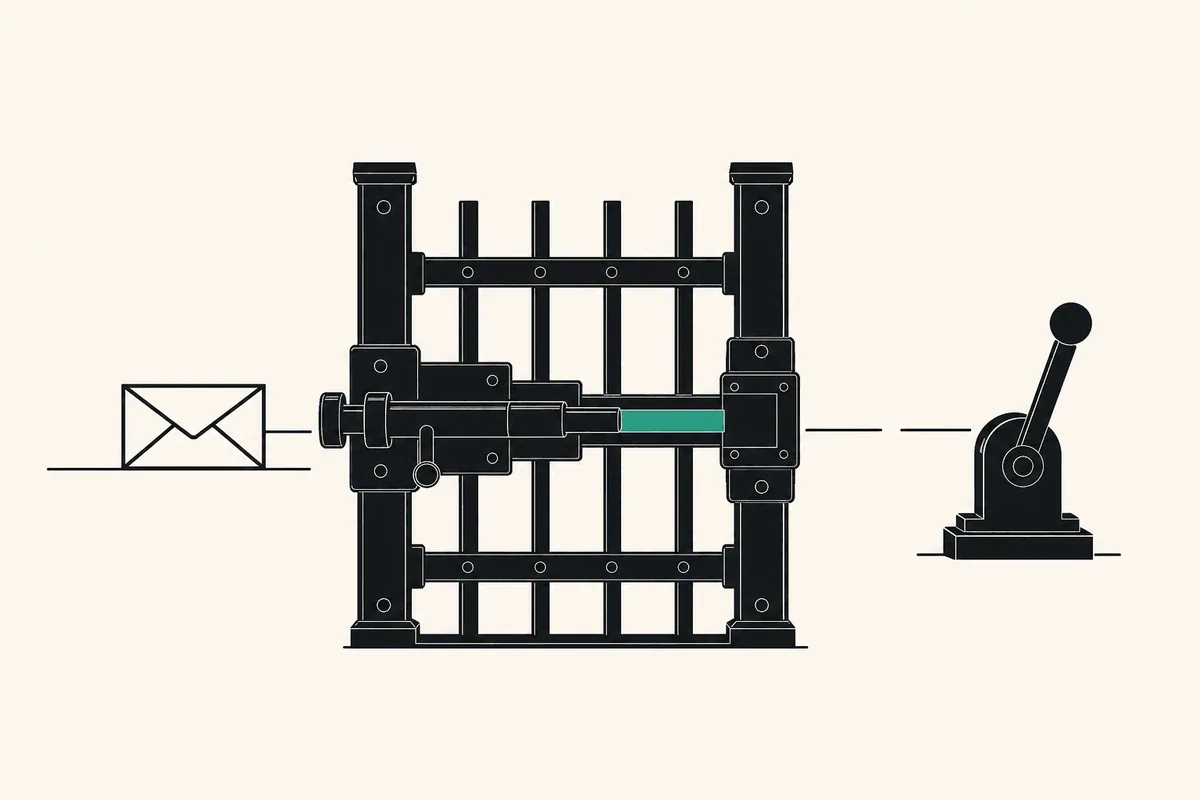
Typed Intent Routing Before an Agent Touches the Broker
Jul 2026·Typed intent routing makes model-assisted agent routing usable only when scope, schema, approval, and audit evidence gate execution.

Teaching an AI Reviewer to Disprove Itself Before It Comments
Jul 2026·AI review false positives fall when do-not-flag policy, falsification checks, and trace reporting ship as one system.
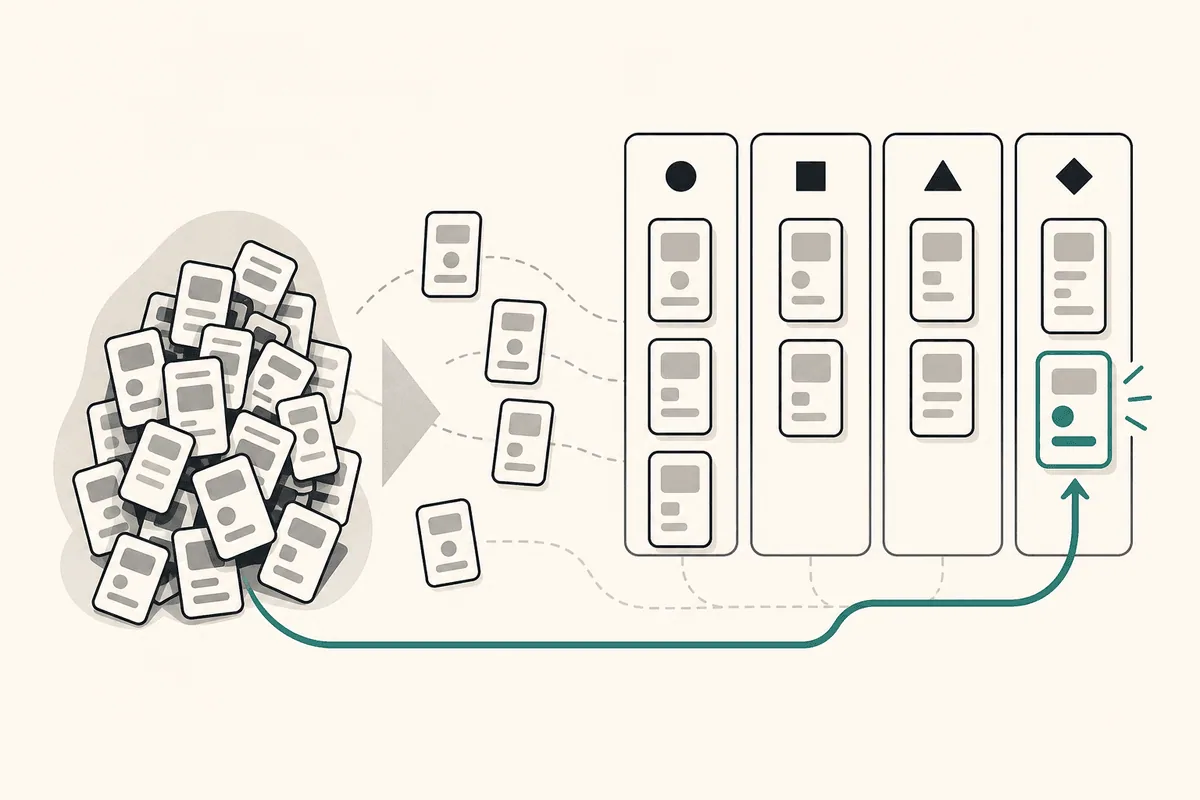
Turning a Mobile Backlog Into a Client Decision Artifact
Jul 2026·Turn mobile backlog decisions into a client-ready routing board for proceed, sign off, defer, and product input without burying delivery judgment in notes.
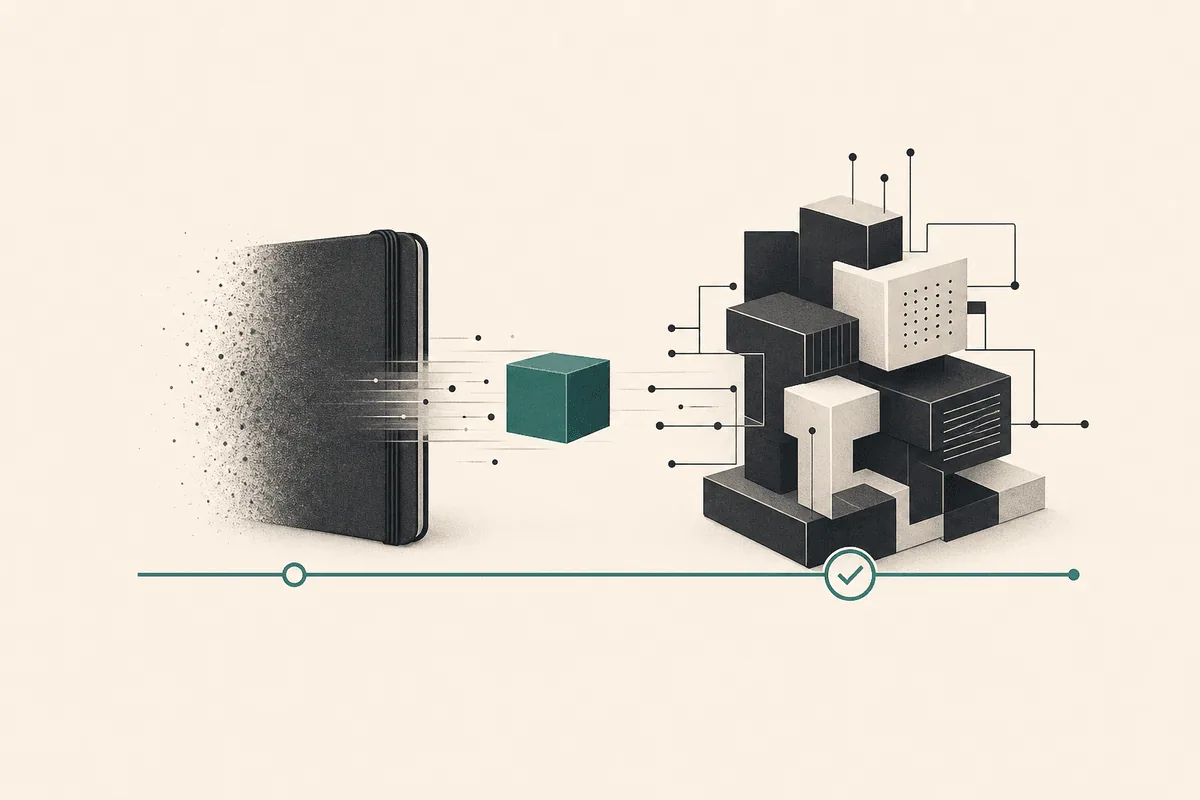
When Knowledge Transfer Never Reaches the Code
Jul 2026·Use a knowledge transfer evidence ledger to prove access, ownership, code paths, and failure paths before accepting KT in an engineering handoff.
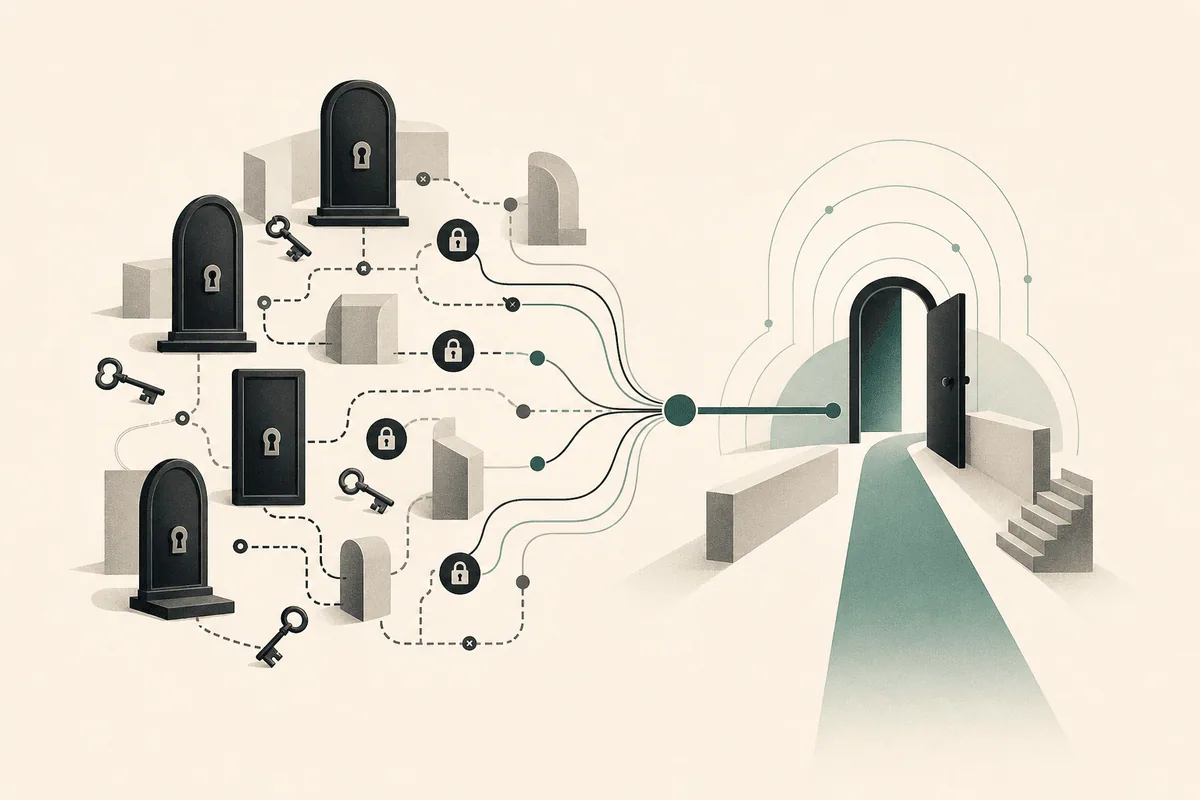
Treat Access as the First Field-Engineering Deliverable
Jul 2026·Use an access readiness matrix to prove owners, environments, permissions, auditability, expiration risk, and revocation paths before field delivery dates.

Turn Stakeholder Questions Into Demo-Ready Decision Records
Jul 2026·Use demo decision records to turn stakeholder questions into owned, evidence-backed decisions before the next client demo.

Use Production Feedback to Choose the Next Field Slice
Jul 2026·Use a production feedback field slice to choose smaller product moves from live signal, with a five-check rubric for reversible decisions before hardening.

Build Rollout Gates Before Field Polish
Jul 2026·A rollout gate checklist for field teams: prove staging, UAT ownership, rollback, observation, and warranty scope before polishing a release.

When a Field Patch Reveals a Platform Gap
Jul 2026·A platform gap often appears as a successful field patch. Learn when migration fixes should become product feedback, with traffic and data examples.
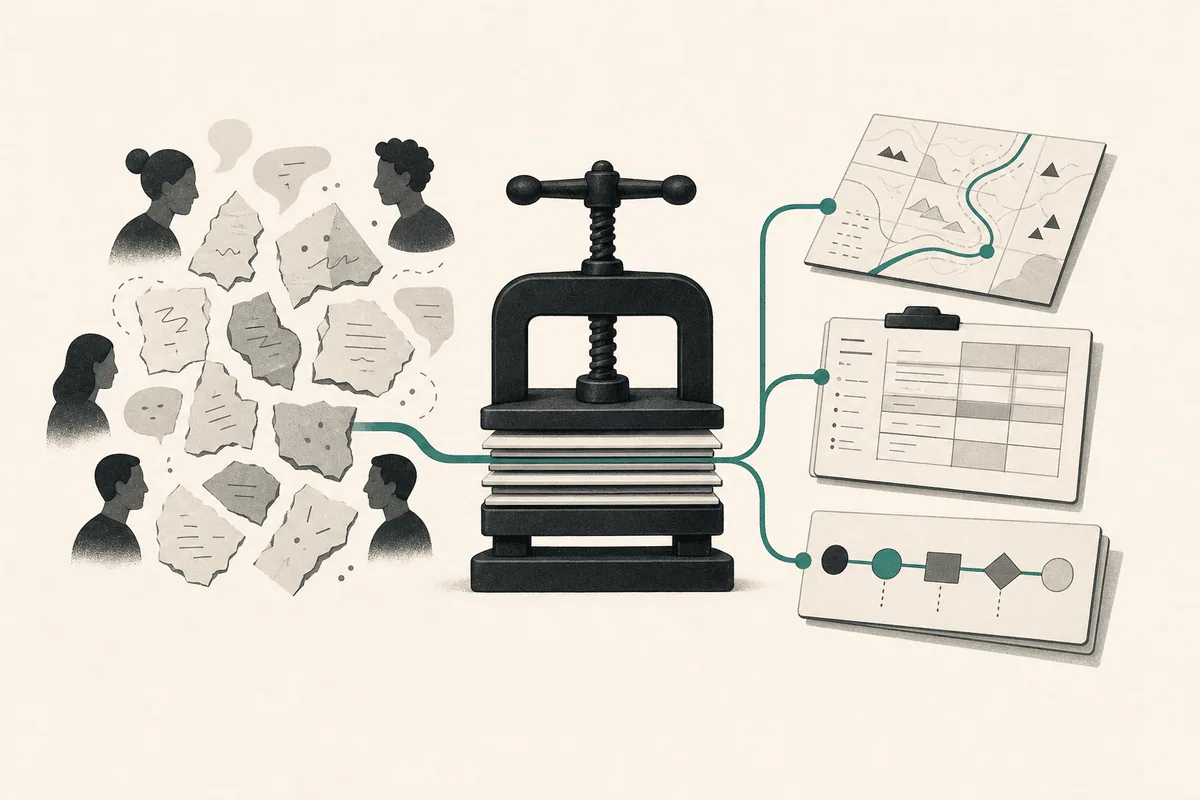
Create Discovery Artifacts That Survive the Customer Call
Jul 2026·Discovery artifacts help field teams turn customer calls into owned decisions, evidence, expiry, and reconciliation before sprint work depends on them.